Tibet Pilgrimage: The Path to Kailash

Tibet Pilgrimage: The Path to Kailash

Walk between Earth & Sky. Explore within.

June 11–24, 2027Tibet, China
01

The Pilgrimage

A journey to the sacred mountain—and into yourself

Some places call to us long before we reach them. We imagine the landscape, the journey, and how it might feel to finally be there.
Tibet is one of those places.

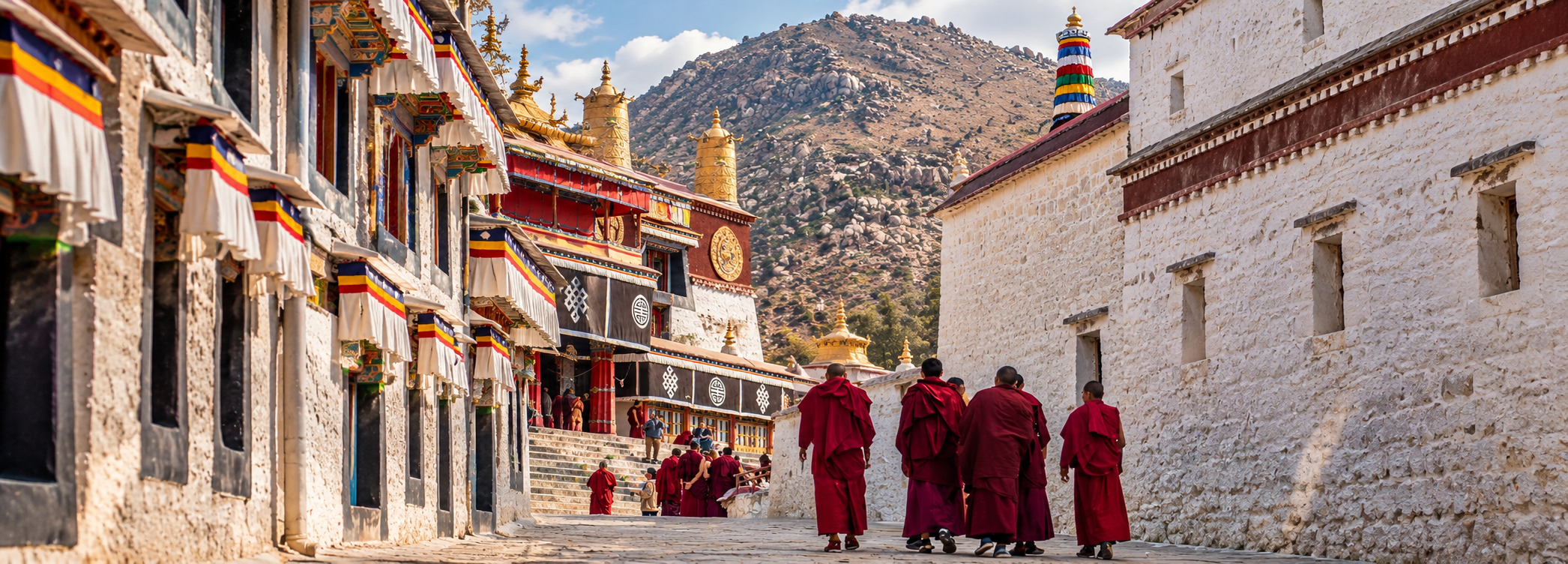
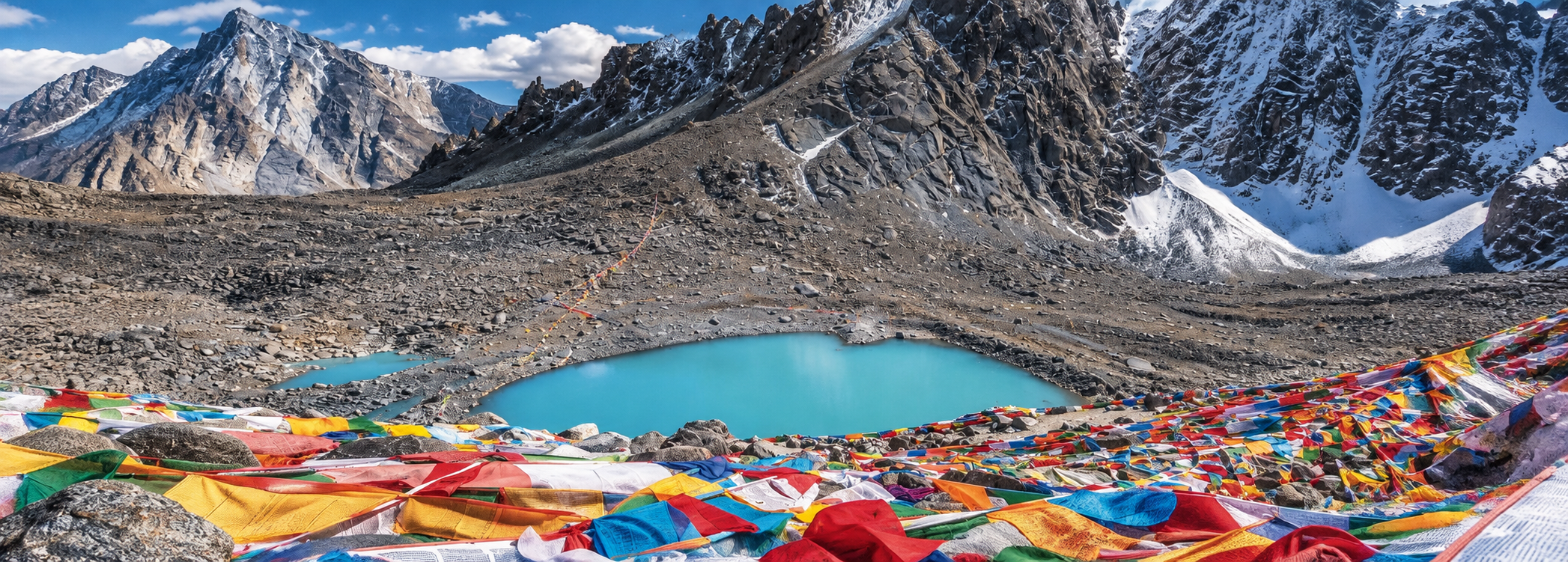
This pilgrimage combines the wonder of exploring Tibet with a shared journey of Inner Alchemy. We visit ancient monasteries, pause beside sacred lakes and cross the vast plateau toward Mount Kailash. Our three-day kora begins on June 18, when pilgrims gather for Saga Dawa to honour the Buddha’s birthday.

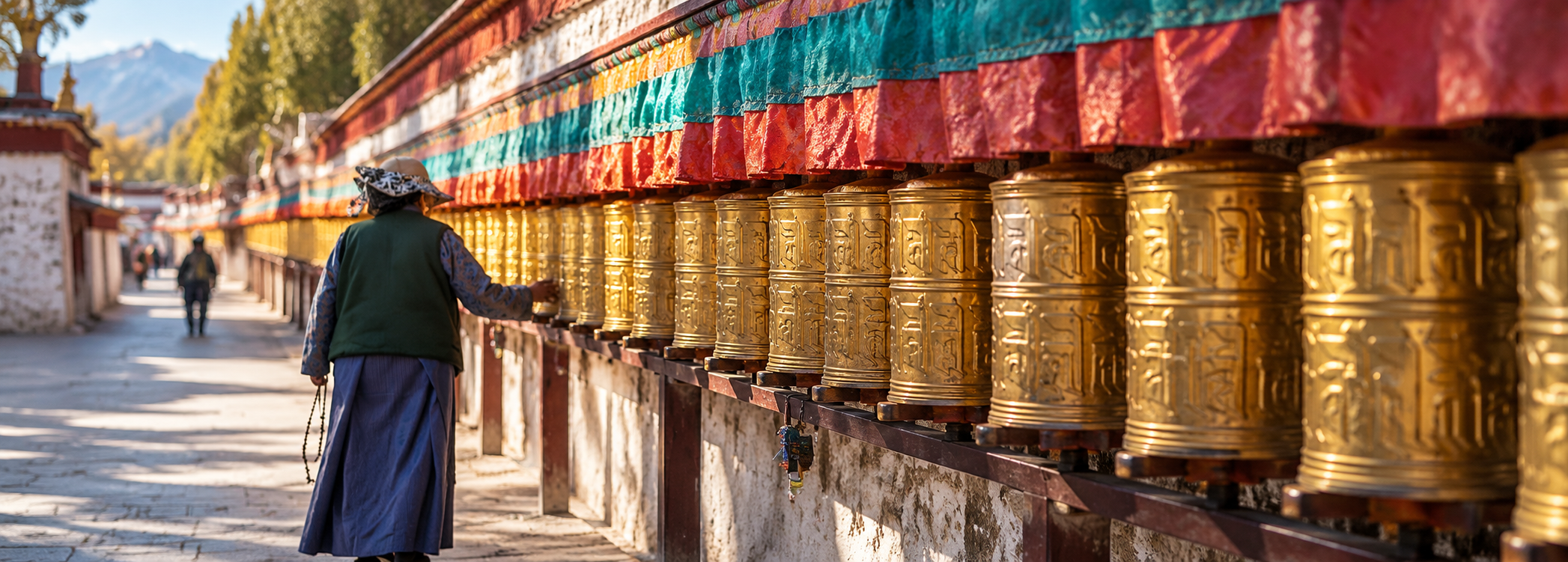
Throughout the journey, meditation and Inner Alchemy invite us into a deeper encounter with Tibet and ourselves. Through direct experience of nature’s elements, we explore the relationship between the landscape around us and our own inner world. Walking, sitting in stillness and listening become part of the practice, opening space to notice what we feel and discover new ways of seeing.
The Pilgrimage

Between Earth & Sky, the outer and inner journeys unfold together.

02

The Outer Journey

Through Tibet’s sacred landscapes and around Mount Kailash

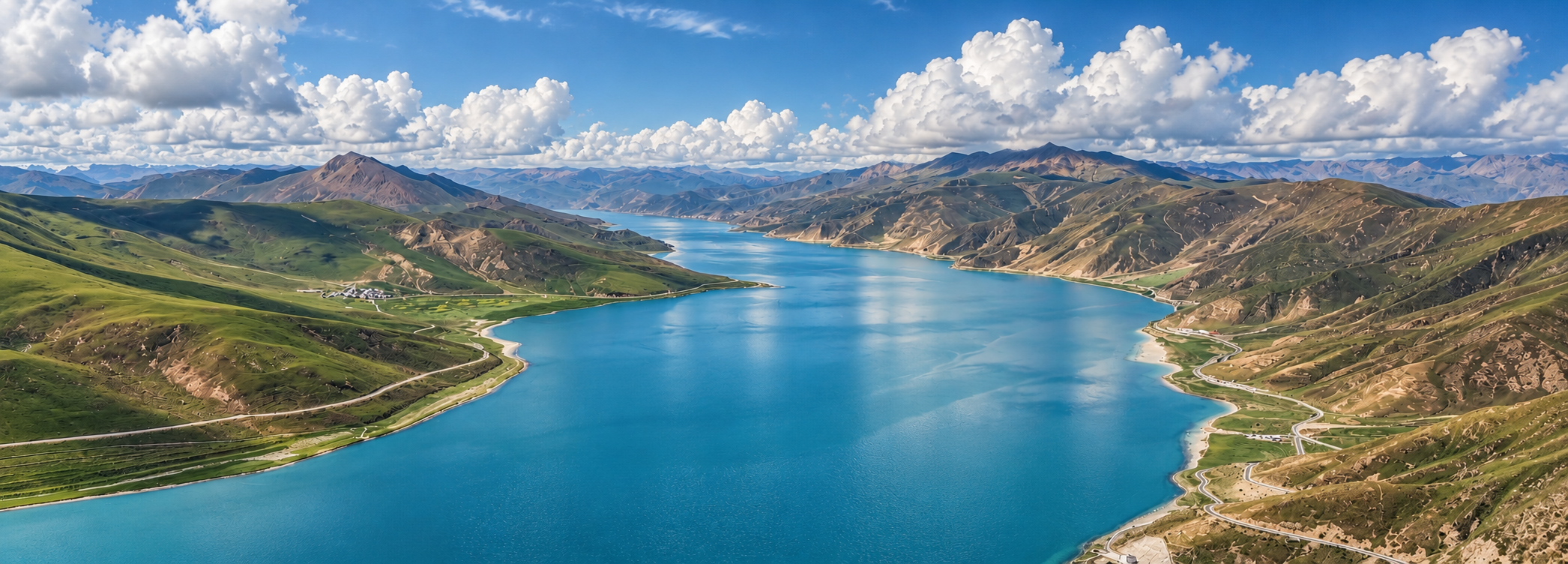
Yamdrok Lake beneath brown hills

Lake Yamdrok

Route Overview

June 11–24, 2027 · 14 days

Our journey begins in Lhasa and leads west through monastery towns, sacred lakes and the open plateau to Mount Kailash. After three days on the pilgrimage circuit, we return across Tibet to Lhasa.

LhasaShannanYamdrokGyantseShigatseSagaManasarovarDarchenMount KailashPurang
Route illustration · Not to scale
  1. Days 1–3

    Arriving in Tibet

    Lhasa → Samye → Shannan

    Time to rest on arrival, followed by encounters with Lhasa’s religious heritage, Samye Monastery and the retreat landscape of Chimpu.

  2. Days 4–7

    Across the Plateau

    Yamdrok → Gyantse → Shigatse → Saga → Darchen

    Turquoise lakes, glacier views and historic monasteries accompany us west, towards Manasarovar and the foot of Kailash.

  3. Days 8–10

    Around Mount Kailash

    Darchen → Dirapuk → Dolma La → Zutulpuk → Darchen → Purang

    Beginning on Saga Dawa, we follow the mountain’s pilgrimage circuit over three days, spending two nights along the trail.

  4. Days 11–14

    The Journey Back

    Manasarovar → Saga → Shigatse → Lhasa

    We revisit Manasarovar and travel east across the plateau, visiting Tashilhunpo Monastery before returning to Lhasa.

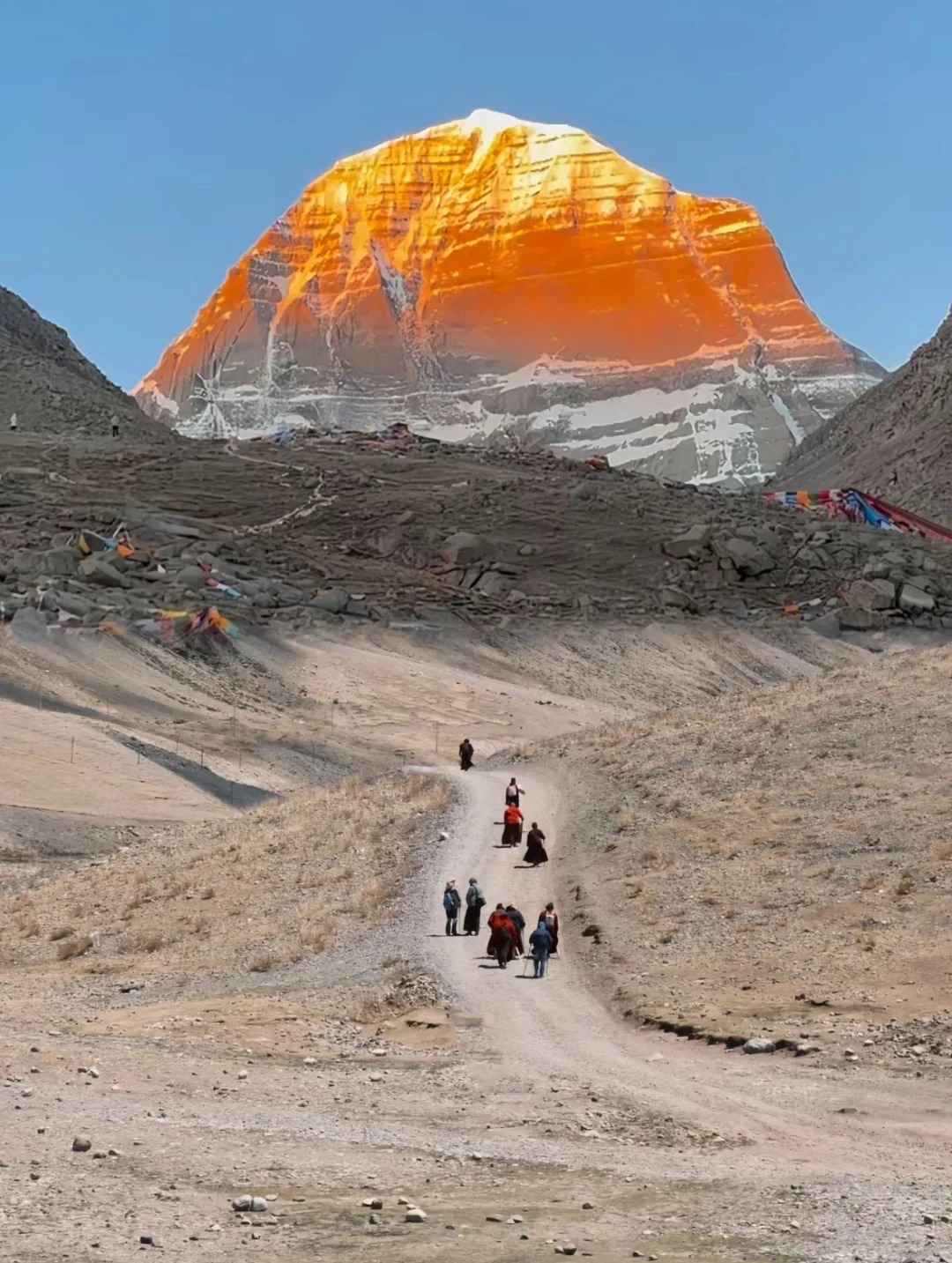
Mount Kailash

At the heart of our pilgrimage

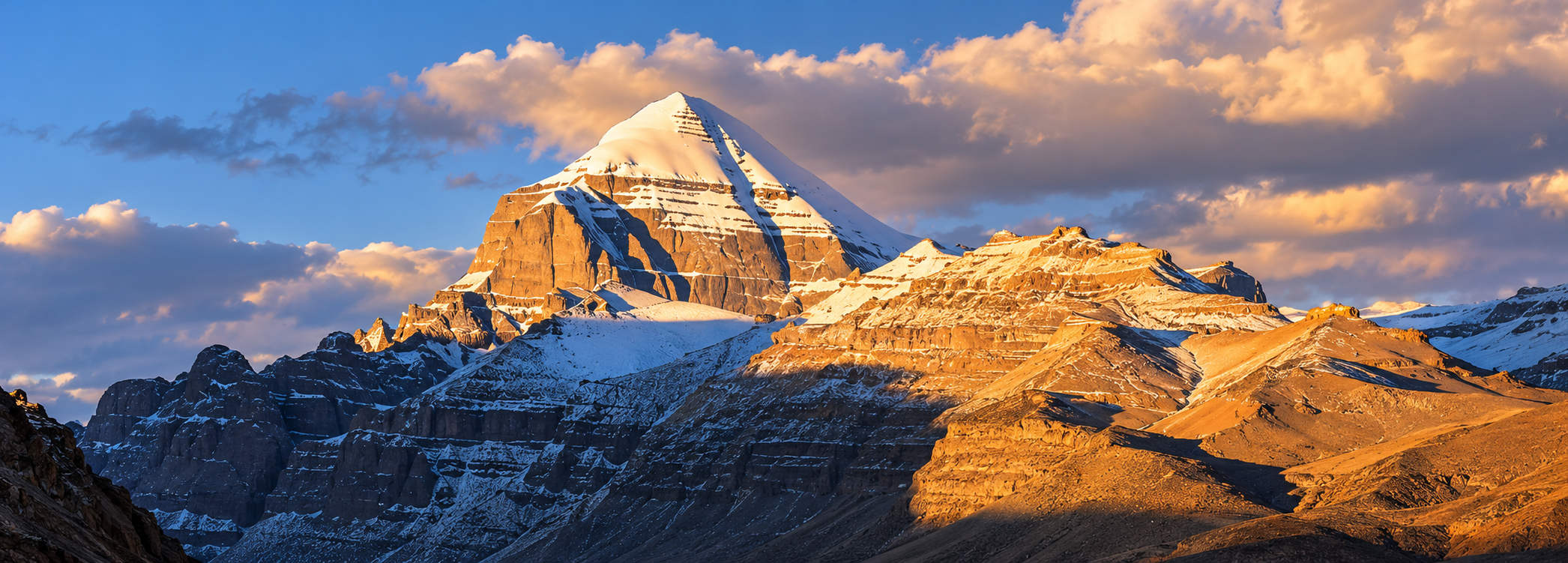
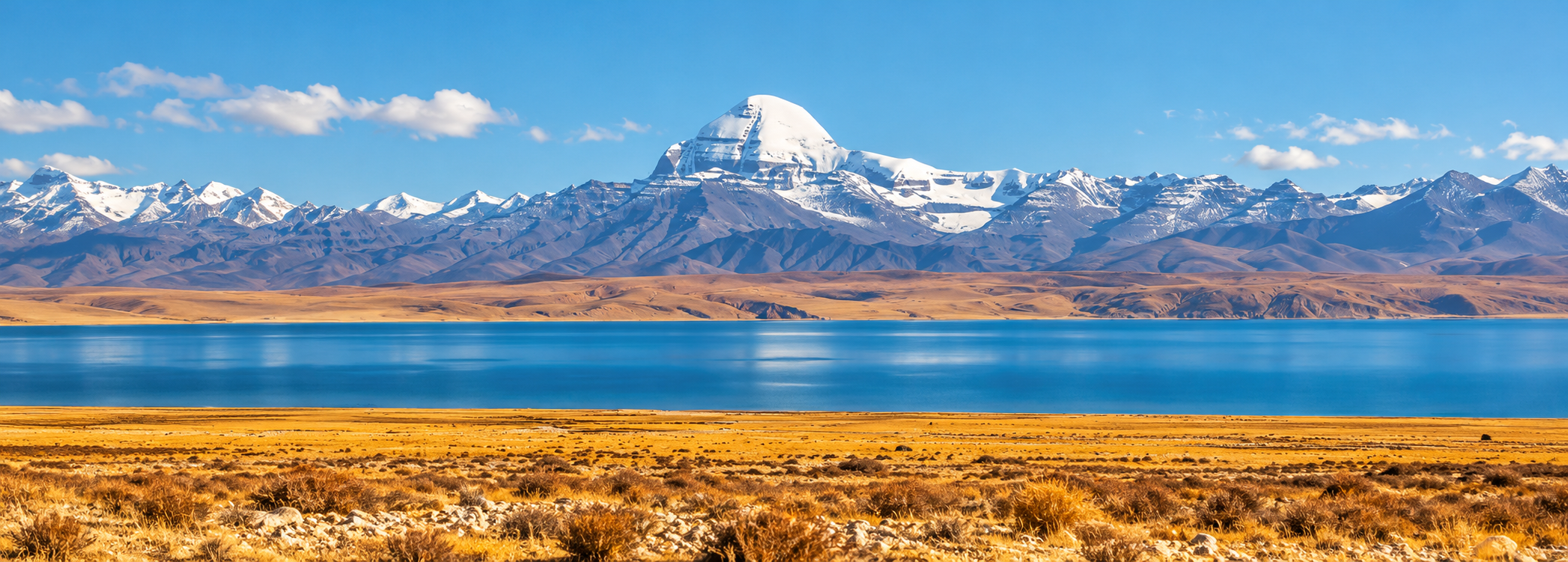
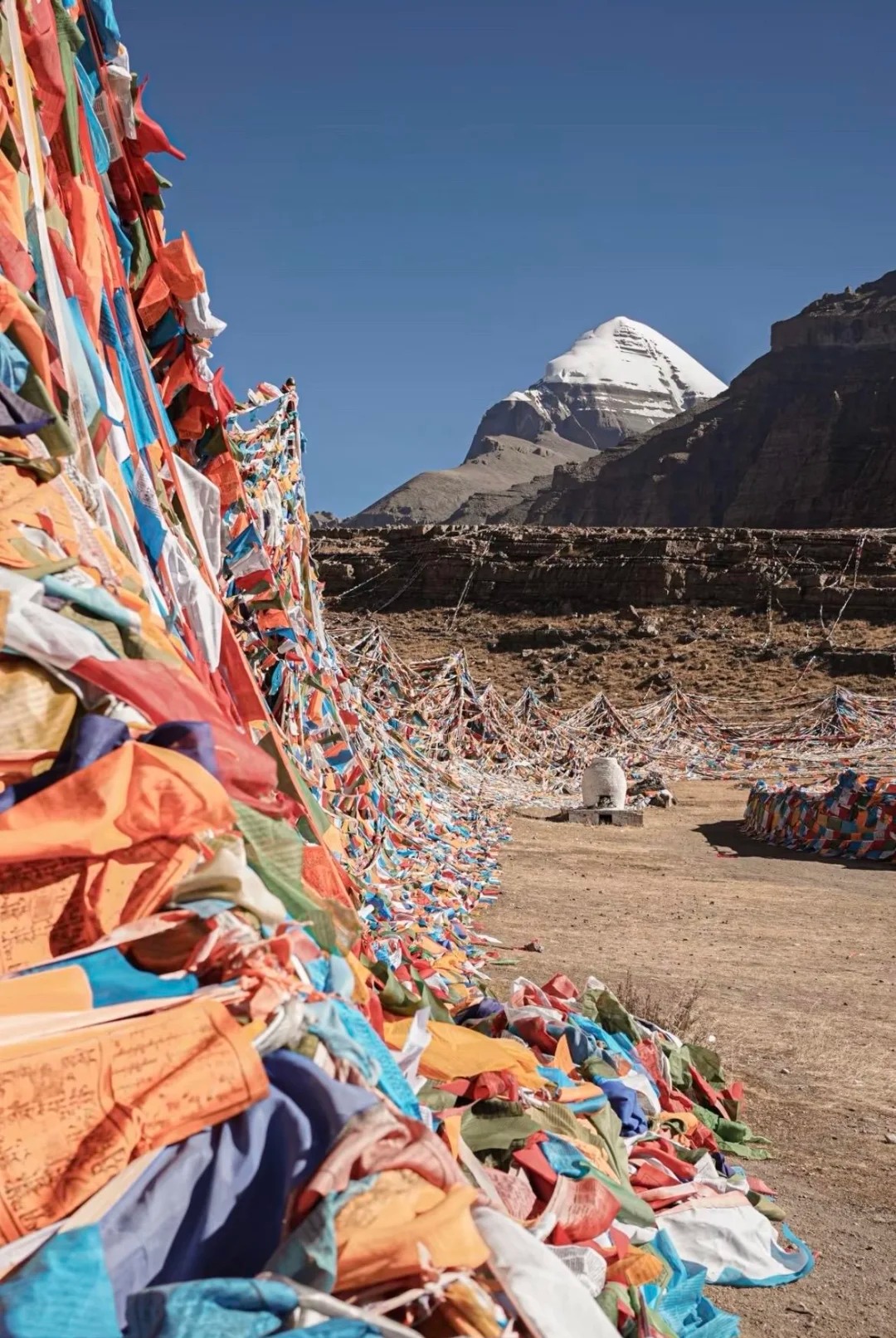
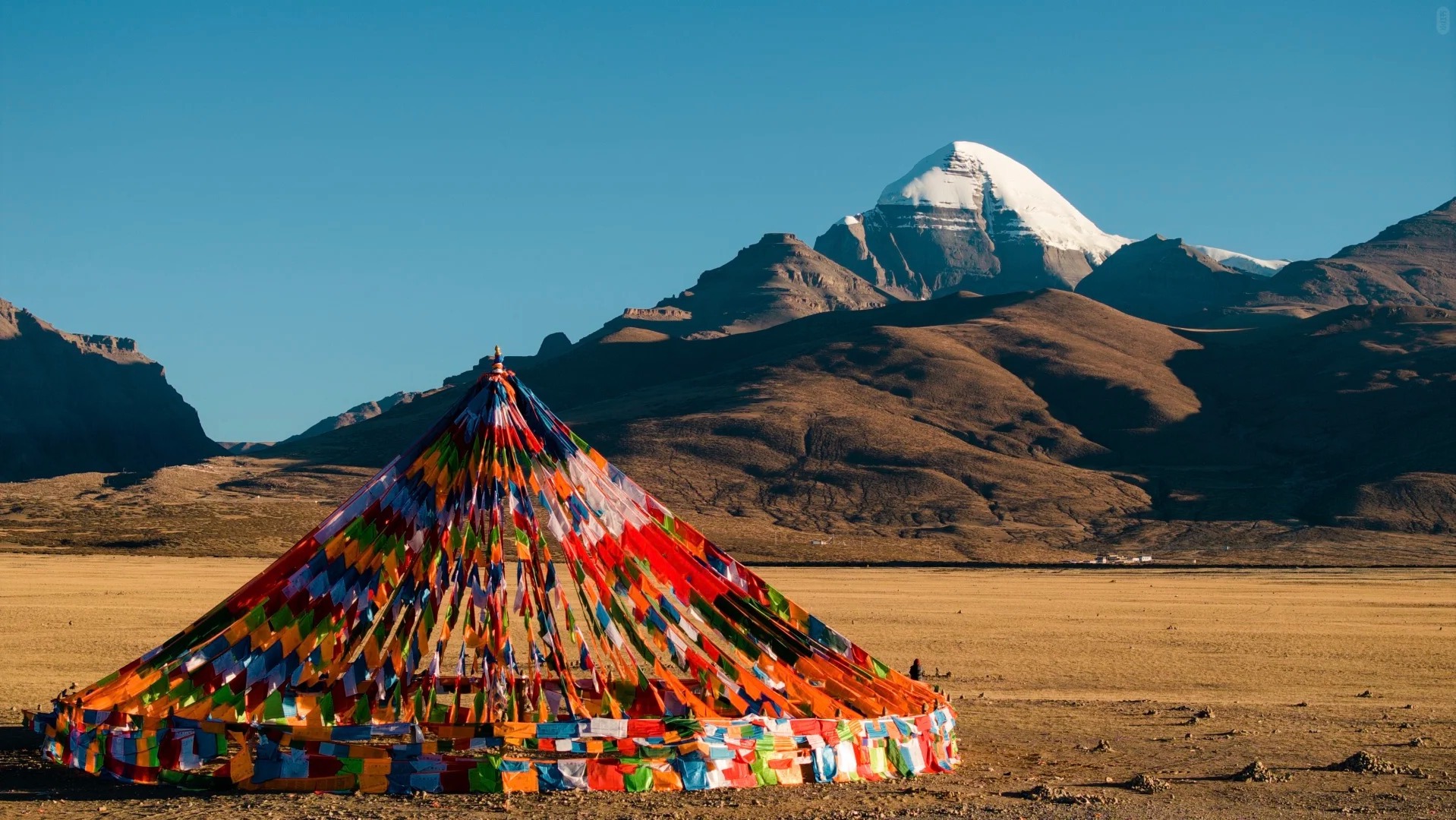
Mount Kailash rising above a rocky valley

A sacred mountain

For centuries, pilgrims have travelled to this remote mountain in western Tibet. Revered in Buddhism, Hinduism, Jainism and Bön, Kailash draws people whose journeys begin in different traditions but share a profound sense of devotion.

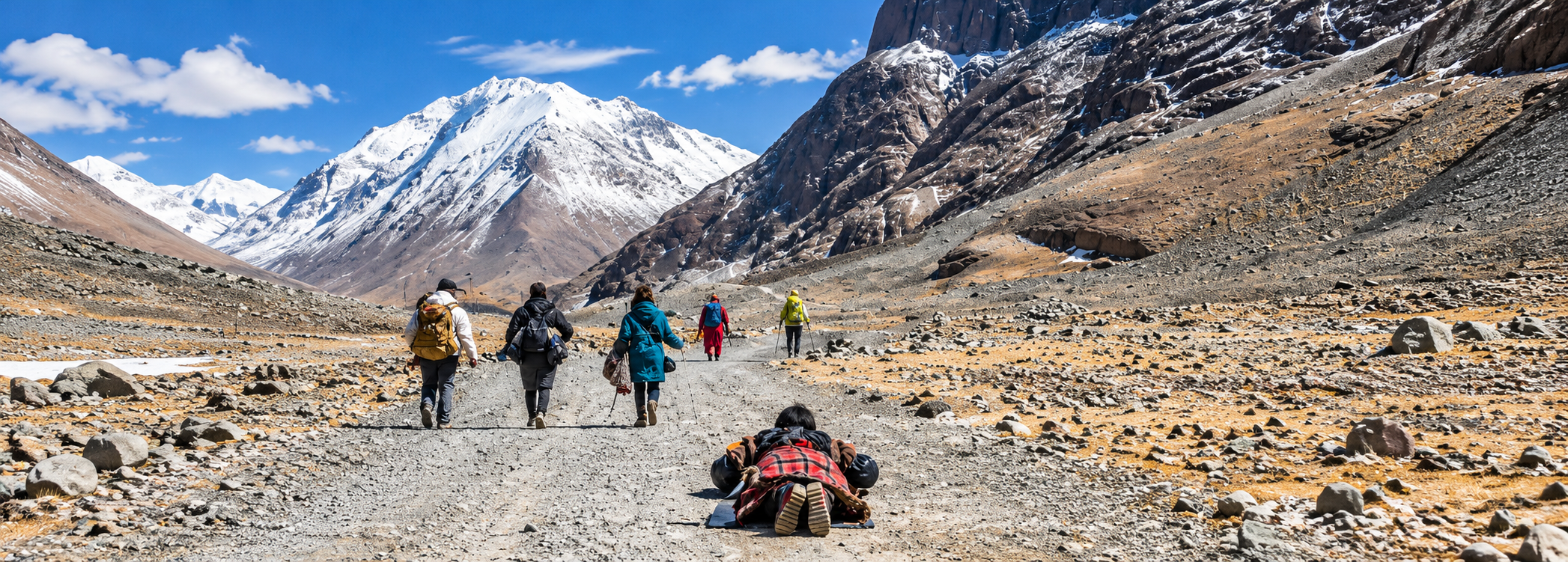
We come to walk around the mountain—a pilgrimage known as a kora. This three-day circuit is the heart of our journey.

Beginning on Saga Dawa

On June 18, we begin our kora on Saga Dawa, when pilgrims gather to honour the Buddha’s birth, enlightenment and passing into nirvana.

Beginning at this time places our own journey within a living tradition of pilgrimage. Around us, others have also travelled far to walk, pray and renew their intentions at the mountain.

Three days on foot

For three days, walking becomes the rhythm of our journey. We follow valleys beneath Kailash, spend two nights in simple accommodation and cross the high pass of Dolma La before completing the circuit.

There is beauty and devotion here, alongside sustained physical effort. High altitude, changing weather and basic comforts ask us to move attentively, respect our limits and respond to the conditions we meet.

The Kora Route

Three days · Two nights on the trail

DarchenTarbocheDirapukDolma LaApprox. 5,630 mZutulpuk
  1. Darchen

    Starting and finishing point of the circuit.

  2. Tarboche

    An important gathering area for Saga Dawa near the beginning of our walk.

  3. Dirapuk

    Our first overnight stop, on the northern side of Kailash.

  4. Dolma La

    The highest point of the route, at approximately 5,630 m.

  5. Zutulpuk

    Our second overnight stop before the final stretch back towards Darchen.

The map is schematic. Walking distances depend on the confirmed vehicle drop-off and pickup points.

Day by Day

Explore the places, pace and practical details of each day.

Select a day to explore its route, highlights and practical details.

Travel times, walking distances and altitudes are approximate. Visits may change with local access, weather and the group’s wellbeing.

Practice along the way

Meditation and Inner Alchemy will be woven into the journey, adapted to each day’s schedule and the need for rest. Discover the practices in 03 · The Inner Journey.

Day 01 · June 11

Arrive in Lhasa

Rest & acclimatisation

Our journey begins in Lhasa, Tibet’s historic capital. We’ll meet you at the airport or railway station and transfer you to the hotel, where you can settle in and begin adjusting to the altitude.

The day is reserved for rest, with no scheduled sightseeing or formal practice.

01 / 14
03

The Inner Journey

Between Earth & Sky

An Inner Alchemy journey through Tibet’s sacred landscapes.

At the foot of a mountain, beside a lake or in the quiet of a monastery, we pause to turn our attention inward.

Alongside the outer pilgrimage, guided meditation and Inner Alchemy invite us into a closer relationship with our body, energy and awareness. Drawing from Qigong, Internal Alchemy and Hermetic traditions, we explore how the qualities we encounter in nature resonate within ourselves.

A glimpse of our practice.

A Journey Through the Living Elements

Mountains, rivers, sunlight and wind become part of our practice, inviting us to explore the elements through sensation, attention and enquiry.

Akasha

Space & Awareness

The vast horizon invites spaciousness. Through stillness and meditation, we explore the space in which sensations, emotions and thoughts arise—and what becomes apparent when we give them room.

Fire

Intention & Transformation

Sunlight and warmth invite us to explore our inner fire: attention, will and the energy we bring to life. Through focused awareness, we enquire into what is ready to change and what we may be resisting.

Air

Sensitivity & Perception

Wind and open skies invite a finer quality of listening. We practise sensing before interpreting, becoming more attentive to subtle impressions and our responses to the world around us.

Earth

Grounding & Embodiment

Mountains, rocks and the ground beneath our feet invite us to feel weight, support and stability. Through grounding and Qigong, we explore vitality and what it means to fully inhabit the body.

Water

Feeling & Flow

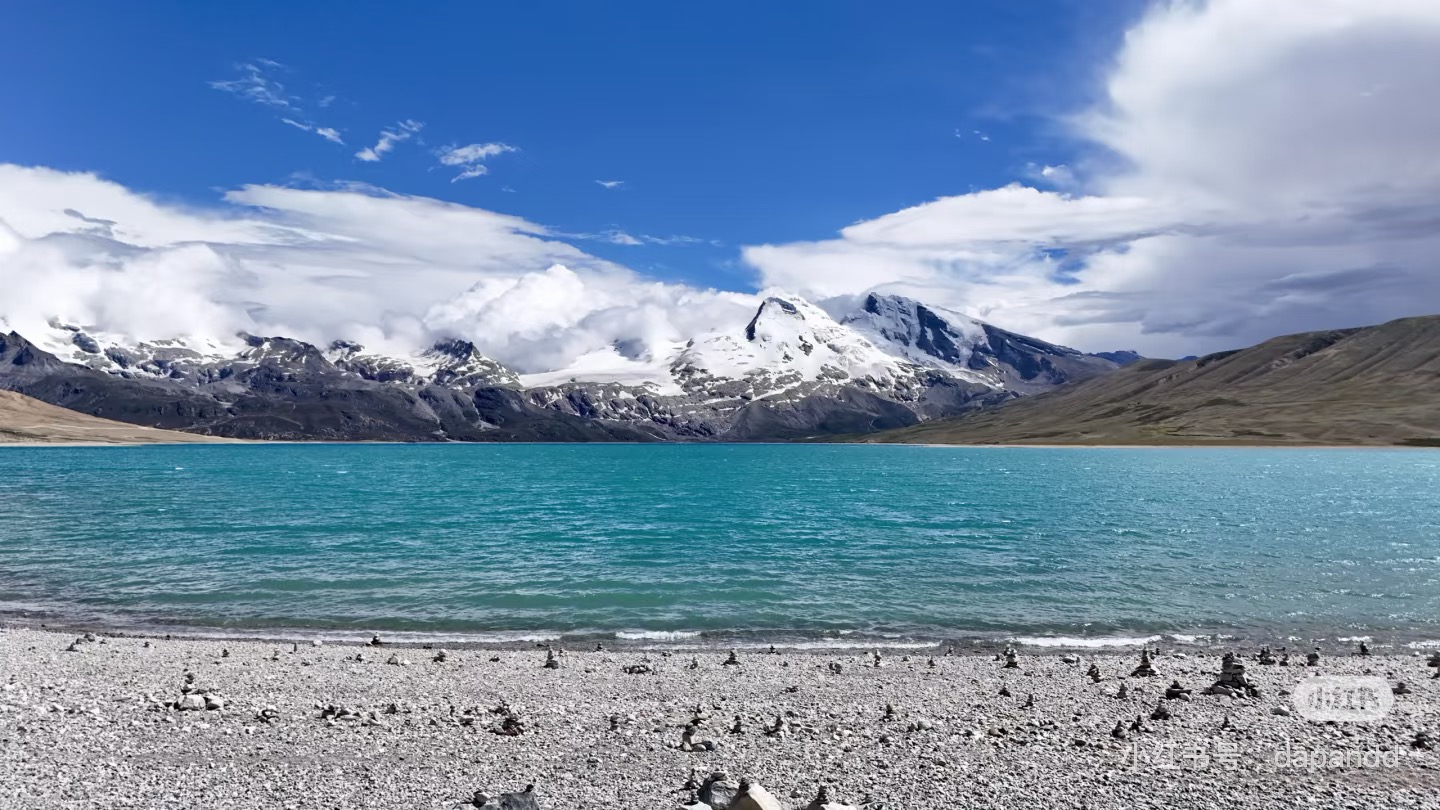
Lakes, rivers, snow and ice draw us into receptivity and movement. We listen to our emotional experience, noticing where we hold, where we soften and what we can allow to flow.

A high-altitude lake beneath snow-capped mountains

From the Landscape to the Self

Our exploration begins with the body and vitality, extending into emotion, identity, thought and spacious awareness.

We notice the patterns we carry, the stories through which we see ourselves and how we connect with others. These enquiries accompany us towards Kailash, inviting greater clarity and presence along the way.

What am I experiencing?

What changes when I become still?

Who am I beneath my familiar roles and patterns?

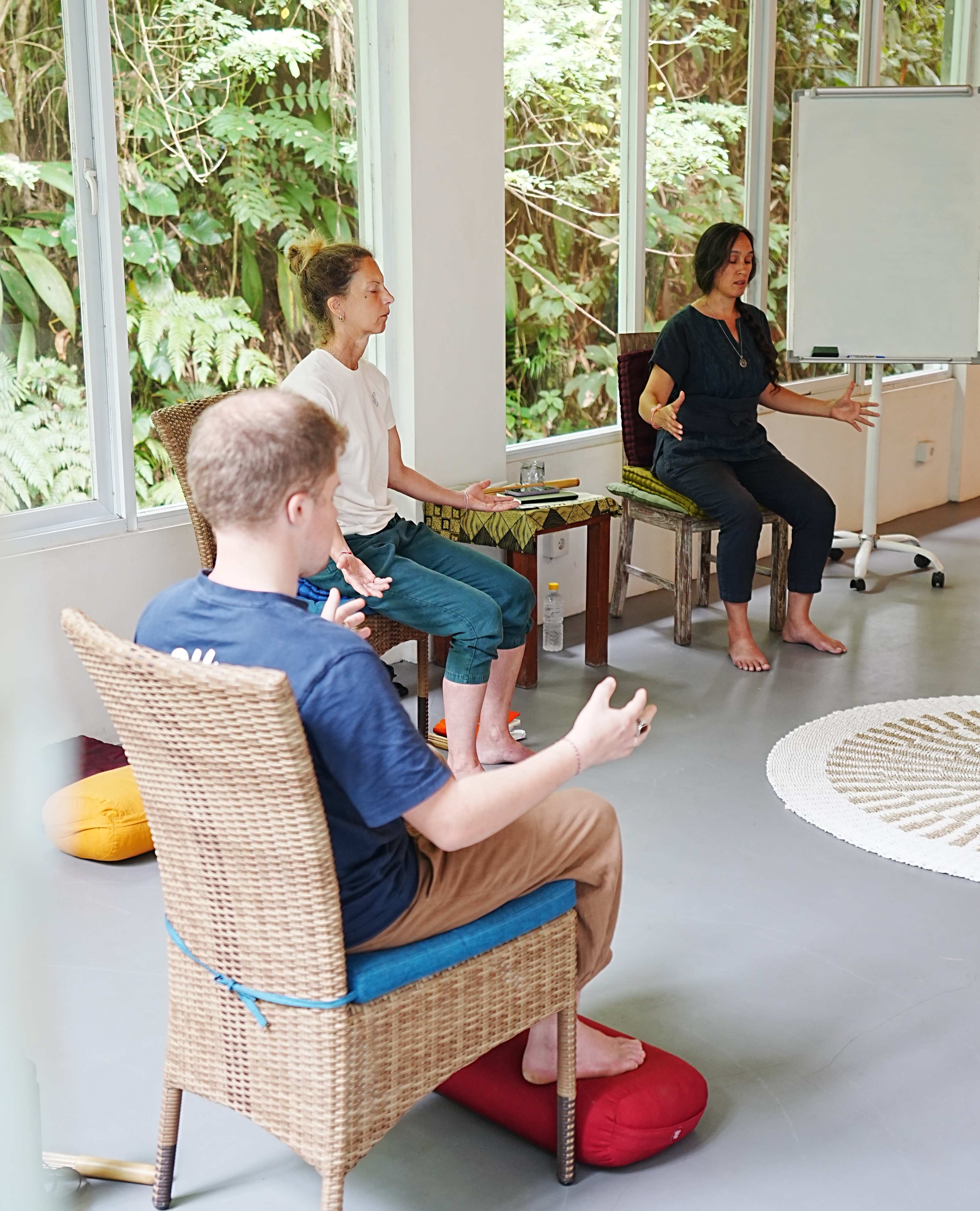
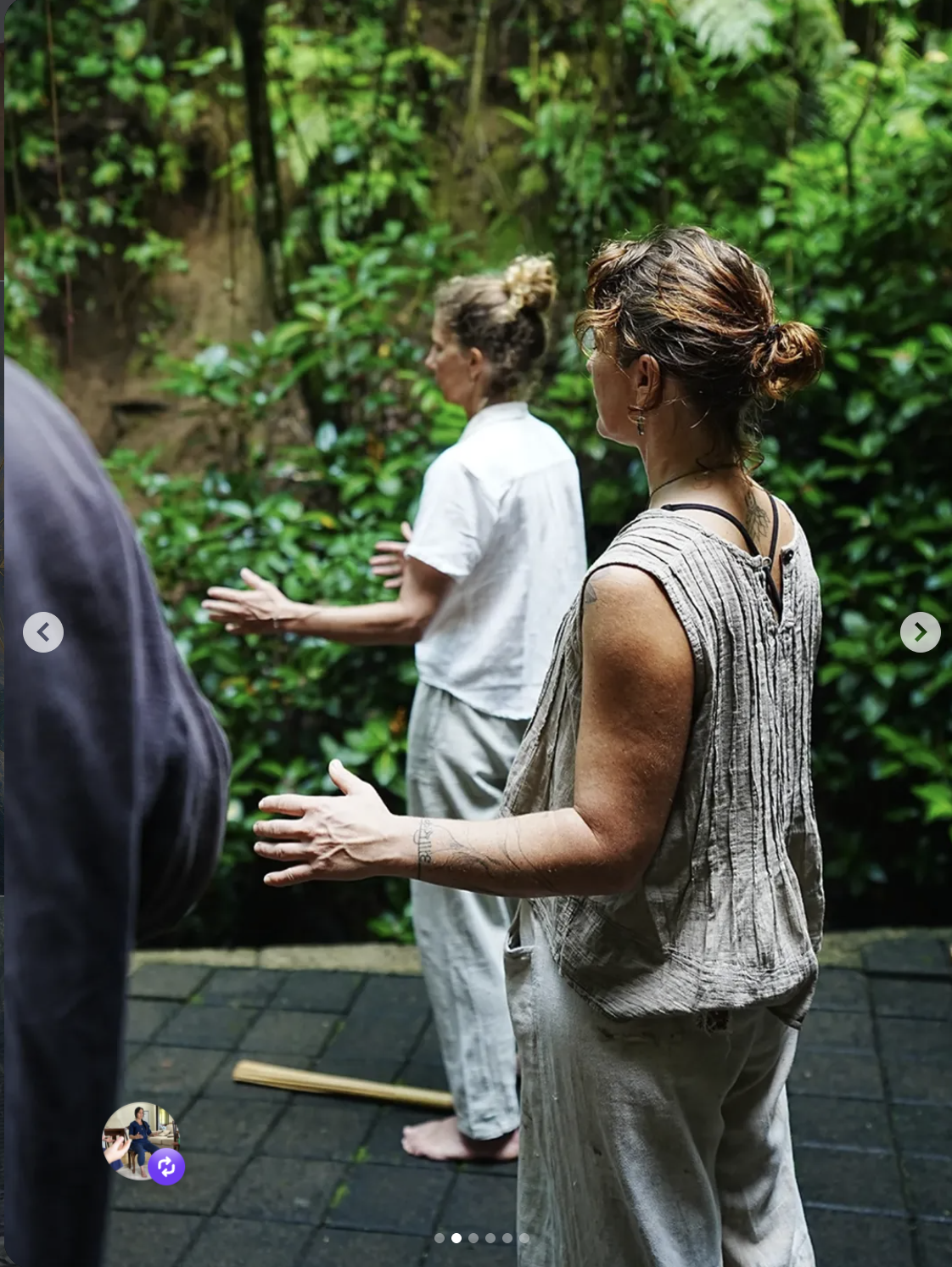
Two participants practising Qigong among trees

Practice Along the Way

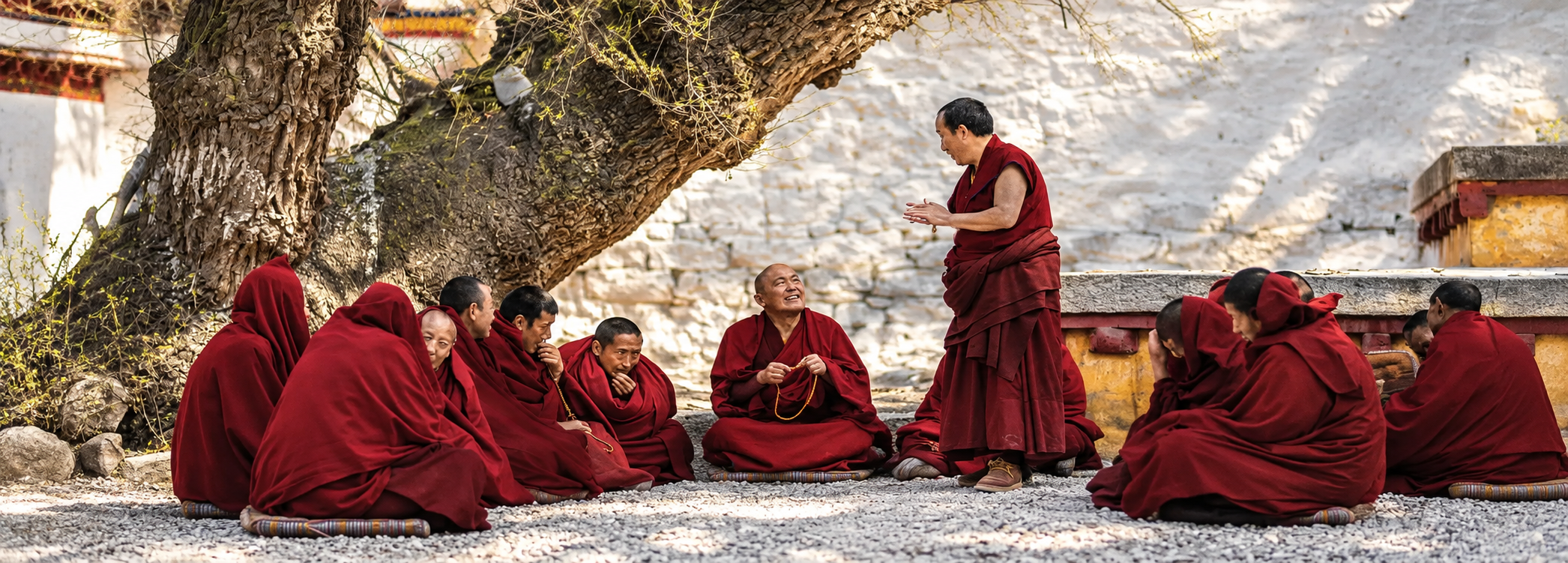
Practice is woven throughout the day: guided meditation in a monastery where permitted, Qigong beneath the mountains or quiet enquiry beside the water.

On most days, we plan approximately 2–3 hours of practice in total, shared across sessions and shorter pauses along the route. Timing and locations remain flexible, depending on access, travel and the group’s wellbeing. Arrival day is reserved for rest; long travel days and the Kailash kora follow a lighter rhythm.

No particular belief system is required. You are invited to explore through your own experience, with curiosity and respect for your limits.

04

Your Guides

Two complementary paths, guiding one shared journey.

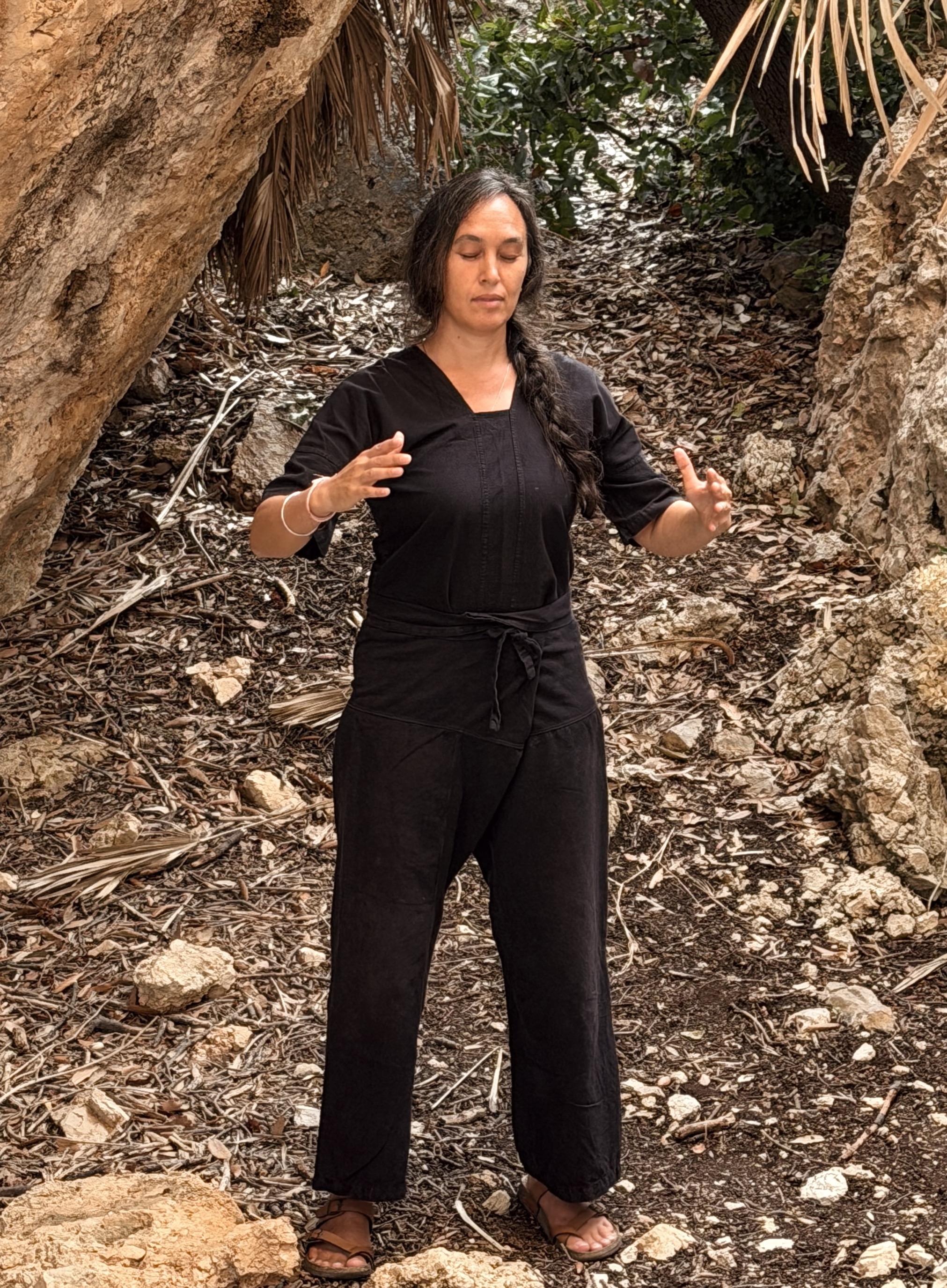
Marissa in meditation

Marissa

Inner Alchemy & Qigong Teacher

Marissa began studying internal arts in 2007, exploring Qigong, standing meditation and Wudang Tai Chi. Her continuing studies with Sifu Mark Rasmus and Sifu Ludovic shaped the foundation of her practice and teaching in Qigong, Internal Alchemy and Hermetics.

Based in Northern Thailand, she teaches meditation and internal arts through community classes, individual sessions, workshops and courses, both in person and online. Her teaching supports students in developing sensitivity, deepening awareness and exploring their own experience.

On this pilgrimage,

Marissa will lead the Inner Alchemy teaching, guiding our exploration of the elements, energy and awareness through practice and contemplative enquiry.

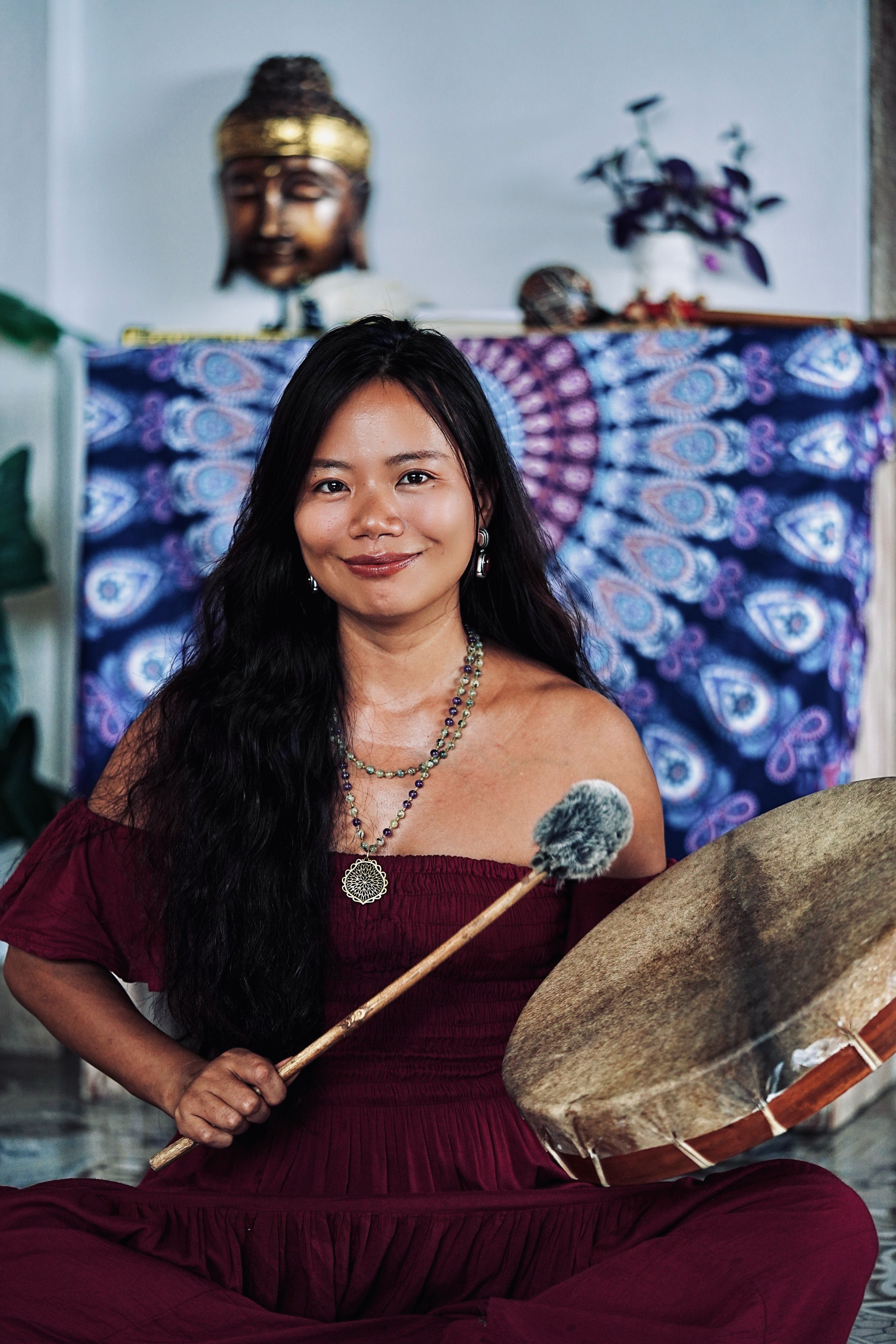
Weiwei holding a frame drum

Weiwei

Journey Host & Facilitator

With a background in Psychology, she brings together energy work, meditation, breathwork and somatic awareness, alongside her practice of Inner Alchemy. Based in Ubud, she creates spaces for self-discovery and a deeper connection with the body and natural world, offering attentive guidance while encouraging participants to explore at their own pace.

On this pilgrimage,

Weiwei will oversee the itinerary, activities and practical arrangements, working closely with the local team. As a Chinese host, she brings familiarity with the language and cultural context. She will also support to lead selected meditation and Inner Alchemy practices and offer ongoing support to participants throughout the journey.

05

Travel Conditions & Safety

Knowing what to expect. Travelling with care.

High altitude, remote landscapes and three days walking around Mount Kailash call for thoughtful preparation. Here is what to expect, and the support available along the way.

Throughout the Journey

Altitude & Acclimatisation

3,650–5,630 m · Rest on arrival. Breathlessness at rest, confusion or unsteady walking require urgent medical help.

We begin in Lhasa at approximately 3,650 m and reach around 5,630 m at Dolma La, the highest point of the Kailash kora.

Arrival day is for rest only, with no scheduled activities. Please take things gently as you adjust over the following days.

If you feel unwell

01·Pause & Rest

Tell your guide about headaches, nausea or dizziness. Rest and use supplemental oxygen where appropriate and available.

02·Seek Medical Help

If rest does not help or symptoms worsen, seek medical assessment. Breathlessness at rest, confusion or difficulty walking steadily require urgent medical attention.

03·Medical Transfer & Journey Pause

Do not travel higher while altitude symptoms persist. Worsening or serious altitude illness requires prompt descent, without waiting for hospital assessment. If the treating hospital recommends transfer to a lower-altitude region elsewhere in mainland China, you must pause the pilgrimage for treatment or recovery, which may mean ending your journey early.

The team will help coordinate available medical and transport services; access is limited in remote areas. Follow professional medical advice on medication.

Oxygen Provision

One shared vehicle-based cylinder and two handheld canisters per participant.

  • Shared supply: One 6.8-litre medical oxygen cylinder, kept in the vehicle for emergency use.
  • Personal supply: Two handheld oxygen canisters per participant, to carry throughout the journey. Additional canisters can be purchased locally if needed.

Oxygen offers temporary support and does not replace medical assessment or descent.

Roads & Flexibility

Some days involve long drives. Weather, roads, local access and permits may affect timings and visits. The itinerary and practices remain flexible, with room for rest.

During the Kailash Kora

Walking & Trail Support

Three days of high-altitude walking · No direct vehicle pickup at Dolma La.

Three days of sustained high-altitude walking involve uneven paths and changing weather. Day two, crossing Dolma La, is the most demanding. Keep a steady pace and follow the guide’s advice.

There is no direct vehicle pickup at Dolma La. Assistance may take time to reach you, and you may need to reach a suitable pickup point before transport is possible.

Porter details

Optional porter services are subject to local availability and rules. Porters may carry luggage rather than provide personal accompaniment.

Please discuss your needs with us in advance.

If You Cannot Continue

Local assistance and return arrangements, with medical care or further descent taking priority.

If you need to leave the kora, the team will help coordinate available local assistance and, where appropriate, transport back to Darchen (Taqin).

Medical care or further descent takes priority.

Return & waiting arrangements

The driver will assist with hotel arrangements in Darchen. The planned reunion with the group is on June 20, provided your condition allows.

Returning to Darchen does not replace medically necessary descent or treatment.

If you prefer not to begin the kora, please speak with us beforehand to discuss waiting arrangements and available support.

Trail Accommodation & Food

Two nights in basic shared guesthouses, with shared facilities and simple meals.

The kora includes two nights in basic shared guesthouses, with multi-bed rooms, shared toilets, limited washing facilities and simple meals.

Guesthouse & meal details

A sleeping bag or liner is optional if you prefer your own bedding.

Food along the trail may include instant noodles and simple rice dishes at supply stops. Bring familiar snacks and portable food for the walking days.

Please share dietary requirements in advance so we can discuss available options. Specific needs may not always be accommodated in remote areas.

Additional services or changes to your journey may involve extra costs. See 07 · Prices & Booking for cost details, medical withdrawal and refund terms, and insurance information.

Your wellbeing comes first.

Resting or adjusting your participation is always welcome. Completing the kora is never more important than your health.

06

Before You Go

Preparing with care, one step at a time.

Walking boots, folded layers, a backpack and a water bottle

Health

Before booking, please ensure your health and physical condition are suitable for high-altitude travel and the three-day Kailash kora. If you have any concerns, seek medical advice before joining.

Documents & Travel Arrangements

  1. 01

    By April 20, 2027

    Book & Submit Documents

    Please complete your booking and submit clear colour copies of:

    • Your passport photo page. Your passport should have at least six months’ validity remaining when you enter China.
    • Your valid Chinese visa, unless you qualify for visa-free entry on your travel dates.

    These documents are needed to apply for your Tibet Travel Permit. Your booking confirmation email will explain how to submit them and complete the required forms, including the travel agency’s booking agreement.

  2. 02

    Enter Tibet on June 11 · Leave on June 24, 2027

    Coordinate Your Flights

    Participants must be accompanied by the local guide throughout the Tibet journey, including arrival and departure transfers. We therefore ask everyone to arrive and depart at similar times so shared transfers can be arranged.

    After booking, we will coordinate the group’s flights. Please check with us before purchasing your Tibet tickets.

    Flights & transfers

    Travelling via Chengdu may offer convenient flight options. Earlier arrivals within the agreed transfer window may need to wait briefly at Lhasa airport.

    If your arrival or departure falls well outside the group’s timings, a separate vehicle and guide transfer will be needed. See 07 · Prices & Booking for the associated charges.

  3. 03

    Send delivery details at least one week before the journey begins

    Receive Your Original Permit

    Before entering Tibet, first arrive in another city in mainland China to receive your original paper Tibet Travel Permit, required for boarding your flight or train to Tibet.

    Please send us:

    • Your delivery address—this can be your hotel in mainland China.
    • The recipient’s name and contact number.
    Delivery details

    Confirm that the hotel or recipient can accept delivery, and allow time to receive the permit before travelling to Lhasa. We can help coordinate with your hotel if needed.

    Carry the original permit with your passport, and use the same passport for your permit application and travel bookings.

What to Pack

Tibet’s weather and temperatures can change quickly. Bring layers that are easy to add or remove, with waterproof protection for the walking days.

Waterproof

Warm Layers

Walking Gear

Sun Protection

View full packing list
  • Footwear: Well-worn, waterproof walking boots with good grip and spare walking socks.
  • Clothing: Comfortable walking layers, a warm insulating jacket, waterproof jacket and overtrousers, a warm hat and gloves.
  • Daypack & poles: A small backpack with a waterproof cover for daily essentials, especially during the Kailash kora; trekking poles if helpful.
  • Sun protection: Sun hat, sunglasses, sunscreen and lip protection.
  • Trail supplies: Water containers, familiar snacks and portable food for the kora.
  • Personal essentials: Enough regular medication for the journey and possible delays, a headlamp, power bank and charging cables.
  • Optional: A sleeping bag or liner for the two guesthouse nights during the Kailash kora, if you prefer your own bedding.

We are here to help if you have questions as you prepare.

07

Prices & Booking

Clear arrangements. A thoughtfully prepared journey.

Journey Price

Early Bird

EUR 3,590

Available until February 28, 2027

Regular

EUR 3,890

Prices are per person, based on twin-share hotel rooms and shared guesthouse accommodation during the Kailash kora.

Full payment is required at booking. Please complete your booking and submit the required permit documents by April 20, 2027.

What Your Price Covers

Included & Complimentary

Practices, accommodation, group travel, permits & thoughtful extras.

  • Practices & hosting: Inner Alchemy, Qigong and the practices described in the programme, including teaching, journey hosting and participant support.
  • Accommodation: 11 nights in twin-share hotel rooms and two nights in basic multi-bed guesthouses during the Kailash kora.
  • Breakfast: Included outside the kora.
  • Transport: Group coach transport within Tibet and shared airport transfers within the agreed group arrangements.
  • Visits & permits: Entrance tickets for the confirmed itinerary and Tibet Travel Permit arrangements.
  • Local team: Guide and driver services.
  • Insurance: Personal travel accident insurance, travel agency liability insurance and vehicle passenger insurance, subject to the respective policy terms.

With Our Compliments

  • Two bottles of drinking water per person per day.
  • Two handheld oxygen canisters per participant.
  • One shared 6.8-litre medical oxygen cylinder, kept in the vehicle for emergency use.
  • A traditional khata welcome on arrival.

Not Included

Travel & Meals

  • Travel to & from Tibet: International travel, flights or trains into and out of Tibet, Chinese visa arrangements, and travel or accommodation outside the scheduled itinerary.
  • Separate airport transfers: Approximately RMB 600 one way for a vehicle and guide outside the agreed group timings. The final arrangement and charge will be confirmed beforehand.
  • Meals: Lunches, dinners and breakfast during the kora. Allow approximately RMB 60–100 per person per meal for lunch and dinner. We can share dishes and split the bill when dining together; actual costs vary.

Kora Support & Separate Arrangements

  • Porters during the kora: RMB 1,350 per porter for the three-day circuit, carrying up to 15 kg in total. Participants may share a porter and split the cost within this limit, subject to availability and local arrangements.
  • Additional oxygen: Canisters or other supplies beyond those provided.
  • Separate arrangements during the kora: Rescue or return transport to Darchen (Taqin), and additional accommodation and meals if you cannot begin or complete the circuit.

Personal & Unexpected Expenses

  • Medical & recovery expenses: Treatment, transport to a lower-altitude region, additional accommodation, meals and onward travel, including expenses not reimbursed by insurance.
  • Unexpected changes: Additional expenses arising from events beyond the organisers’ control, such as natural disasters, strikes, conflict, flight disruption or visa delays, handled according to the booking agreement and applicable law.
  • Personal expenses: Drinks, laundry, telephone charges, excess baggage and optional purchases or services not listed as included.

Booking & Cancellation

Before booking, please review the cancellation and refund terms below.

Cancellation & Refunds

Written cancellation receivedRefund of the journey fee
On or before April 20, 2027100%
April 21–May 27, 202770%
From May 28, 2027, including non-arrivalNo refund
  • Tibet Travel Permit Approval

    If your Tibet Travel Permit is not approved despite timely submission of complete, accurate documents, your journey payment will be refunded in full.

    Chinese visa refusal, late or incomplete documents, and other personal reasons for cancellation follow the schedule above.

  • After the Journey Begins

    If you pause or leave early for medical or personal reasons, or do not begin or complete the kora, the journey fee is non-refundable, subject to applicable law.

    Additional transport, treatment, accommodation, meals and onward travel are your responsibility. Eligible expenses may be claimed through insurance.

Your health comes first. Please follow medical and safety advice promptly.

Reserve Your Place

Insurance & Participant Agreement

Please review the insurance documents and travel agency agreement before paying.

Insurance & claims details

Cover is subject to policy terms; reimbursement is not guaranteed.

The policies have different purposes, limits and exclusions; reimbursement for medical care, rescue or journey interruption is not guaranteed.

Consider additional personal cover where needed. Claims are assessed by the insurer, and expenses may need to be paid directly before reimbursement.

Signing and submission instructions will be provided in your booking confirmation email.

How to Book

  1. 1. Review

    Itinerary, conditions & booking documents

  2. 2. Booking details

    Complete your reservation information

  3. 3. Payment

    Review your booking and pay in full

After payment, your confirmation email will explain how to submit the required documents and complete the travel agency’s agreement.

Book the Journey

If you have questions before booking, we are here to help.